Training program
Say It Early
Make it safe to speak up, be heard, admit mistakes and disagree, so problems surface while they're still small.
The challenge
In many teams the risk isn’t that people disagree. It’s that they don’t say anything at all. The question goes unasked, the mistake stays hidden until it’s expensive, and the concern gets shared with colleagues in the car park or the lunch room, but never makes it to the meeting. Over time that breeds politics, quiet resentment and mistrust. Everyone is polite, but the problems arrive late and innovation gets delayed.
Say It Early helps a team build psychological safety: a shared belief that it’s safe to ask a question, admit a mistake, offer an idea, or disagree, without being embarrassed or punished for it. It isn’t about being nice or lowering standards. It’s what lets a team hear bad news early and fix it while it’s still small.
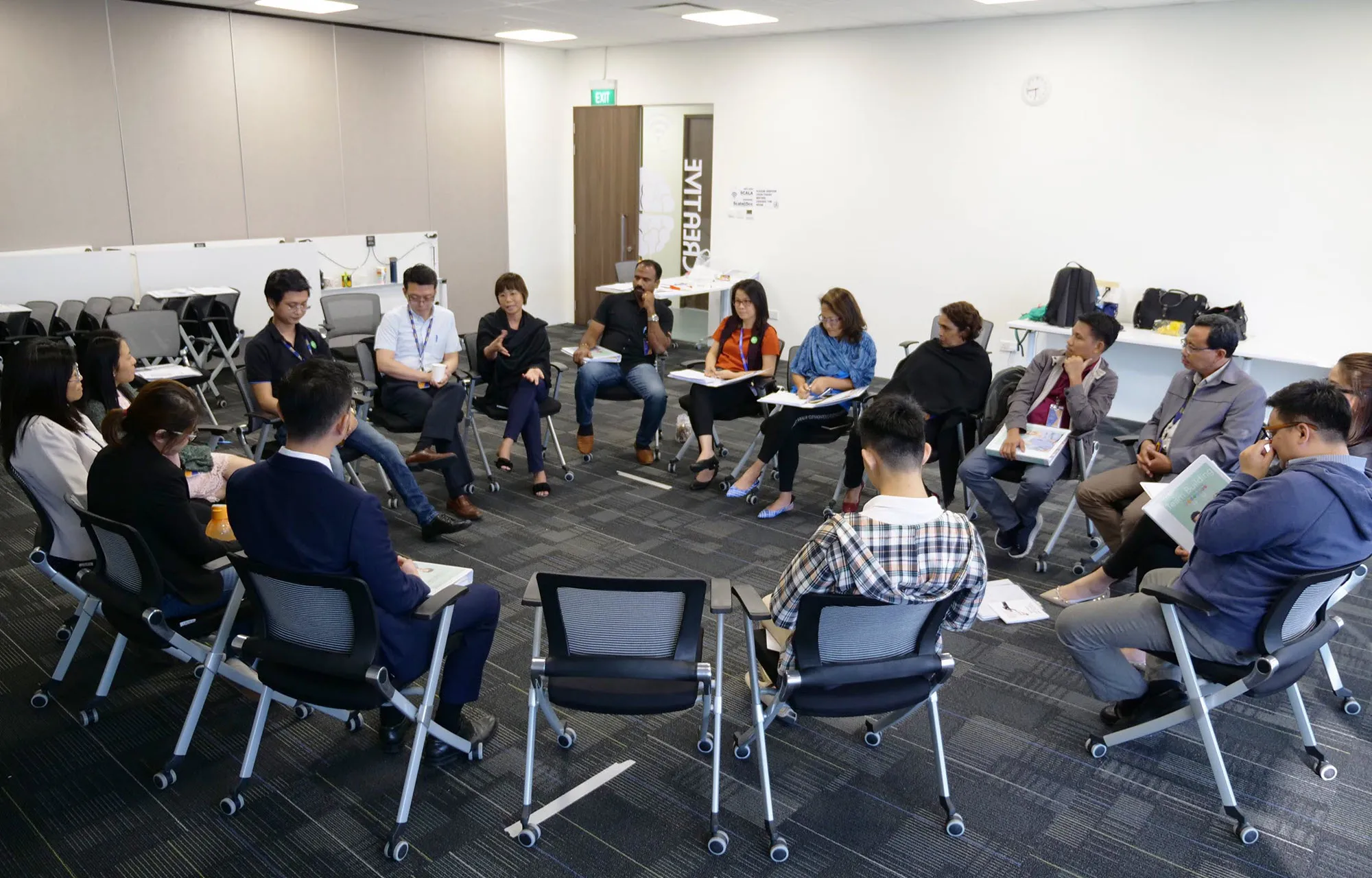
The program works with the whole team and its leader. It uses Identi3 profiling so people understand how each other prefers to think and speak up, and practical skills from our Difficult Conversations work so they can disagree without damage. The team finishes by writing its own agreements for meetings, feedback and raising concerns.
Who it's for: Whole teams with their leader, leadership groups, and teams where people go quiet in meetings, problems surface late, or the same few voices decide everything.
Curriculum
What's covered
- Spotting the signs in your own team: silence in meetings, mistakes found late, ideas that stay in the car park
- Identi3 profiling, so people see how each other prefers to think, speak up and handle pressure
- How different styles experience risk: why one person's robust debate is another person's reason to stay quiet
- Speaking up well: raising a concern, an idea or bad news clearly and early
- Being heard: how to make sure a point lands, and how to follow up when it doesn't
- Leader moves that open the floor: asking before telling, responding well to bad news, admitting your own mistakes
- Disagreeing without damage: language for challenging an idea while respecting the person
- Treating mistakes as information: simple debrief habits that look at the process, not who to blame
- Agreeing team norms for meetings, feedback and raising concerns, written by the team itself
Outcomes
What it works on
- More voices heard in meetings, not just the loudest
- Problems and mistakes raised earlier
- Disagreement treated as useful rather than personal
- Leaders who invite challenge and respond well when they get it
- Clear team agreements on how concerns are raised
- A shared understanding of how each person works, from the team's Identi3 profiles
Format
Minimum one full day, or two full days for more extended work, discussion and action planning · the two days can run back to back or on separate dates · whole team with its leader · on site or online · ongoing support available to solidify and apply learnings
Helps address: conflict and poor workplace relationships · poor support · low role clarity. Supports your psychosocial safety obligations.
Questions
Before you ask.
How is this different from the Introduction to Psychological Safety?
The introduction is a 2.5- to 4-hour workshop that explains what psychological safety is and why it matters. Say It Early is the practical next step: a team works with its own leader on how they speak up, listen and disagree, and leaves with agreements it has written itself.
Doesn't this just make everyone too comfortable?
No. Psychological safety is not about lowering expectations or avoiding hard conversations. It makes it easier to hold high standards, because people can say when something is off track, ask for help, and challenge an idea without it becoming personal.
Should the leader attend with the team?
Yes, wherever possible. How a leader responds to questions, bad news and disagreement shapes whether people speak up. Running the program with the leader in the room means the team's agreements are made together and are more likely to hold.
How does Identi3 profiling fit in?
Identi3 shows how each person prefers to think, communicate and respond under pressure. In this program it helps the team see why some people speak up easily and others hold back, so they can adjust how meetings and feedback work for everyone.
Can it be combined with other programs?
Yes. It pairs well with Difficult Conversations Without the Drama, for the skills to raise issues, and with Building a Culture of Psychosocial Safety for organisations working on this more broadly.
Other programs
Often run alongside this one.
Get started
Book a free consultation
Start with a conversation about what your team needs. We will tell you honestly whether we are the right fit.
Make an enquiry
Tell us about your team and what you want to shift. We usually reply within a business day.