Training program
Building a Culture of Psychosocial Safety
An organisation-wide program that helps leaders and teams identify psychosocial hazards, reduce them at the source, and keep the work going.
The challenge
Most organisations now know that psychological health is part of workplace health and safety. Australian work health and safety laws expect employers to manage psychosocial risks in the same way as physical ones: identify the hazards, eliminate or minimise the risks so far as is reasonably practicable, consult with workers, and review what’s working.
Knowing that is one thing. Turning it into everyday practice is another. A policy and an employee assistance program are a start, but much of the risk sits in how work is designed and led: unclear priorities, constant urgency, poorly managed change, and teams where people don’t feel able to say when something isn’t right.
Building a Culture of Psychosocial Safety works with leaders, HR and teams together. It starts by listening to your people, focuses on the hazards that matter most in your organisation, and builds practical changes into the systems you already have, so psychosocial safety becomes part of how work gets done.
Who it's for: Executive and leadership teams, HR, wellbeing and WHS teams, and health and safety representatives in organisations that want to move psychosocial safety from a policy to everyday practice.
Curriculum
How it works
- Understand: what psychosocial hazards are, such as high job demands, low role clarity, poor support, conflict and poor change management, and how they show up in your organisation
- Listen: consult with workers through a short anonymous survey, focus groups and conversations, so the picture comes from the people doing the work
- Prioritise: agree which hazards matter most, and where changes to how work is designed will make the biggest difference
- Leader capability: sessions on spotting early signs of strain, having supportive check-in conversations, and knowing when to refer on
- Team practices: workshops where teams agree how they handle workload, speaking up, recognition and after-hours contact
- Embed: build what you learn into existing systems such as meetings, inductions, performance conversations and change planning
- Review: a follow-up check to see what is working, what isn't, and what to adjust
Outcomes
What it works on
- A shared understanding of psychosocial hazards across leaders and staff
- A clearer picture of the hazards specific to your organisation
- Workers consulted and involved, not just informed
- Leaders confident to notice strain and respond well
- Practical changes to how work is designed, not only individual coping skills
- Psychosocial safety built into everyday systems and conversations
Format
Typically 3 to 12 months · shaped to your organisation · leadership sessions, team workshops, survey and follow-up review · on site or online
Helps address: high job demands · low role clarity · poor support · conflict and poor workplace relationships · poor organisational change management. Supports your psychosocial safety obligations.
Questions
Before you ask.
What are psychosocial hazards?
Psychosocial hazards are aspects of how work is designed, managed and organised, and of the social environment at work, that can cause psychological harm. Common examples include high job demands, low job control, poor support, low role clarity, conflict, poor change management, and harassment or bullying.
Will this make us compliant?
No training program can guarantee compliance on its own. Australian work health and safety laws place the duty to manage psychosocial risks on the organisation. This program supports that work by building understanding, involving workers and helping you put practical controls in place. For legal questions about your specific obligations, speak to your WHS adviser or regulator.
How is this different from your other psychosocial safety programs?
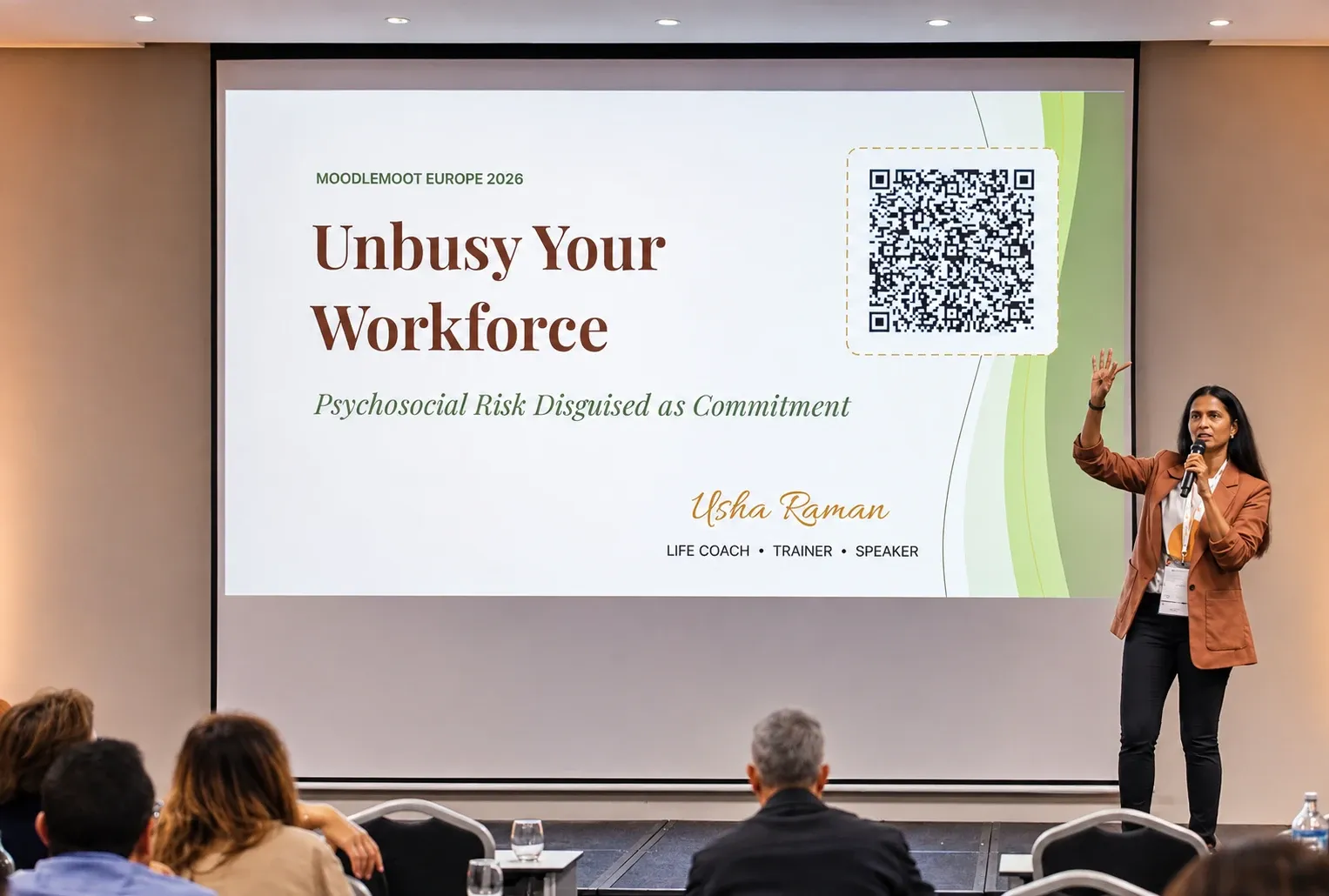
The Introduction to Psychological Safety and Say It Early focus on how people speak up and work together in teams. Unbusy Your Workforce focuses on workload and burnout. This program takes an organisation-wide view, and can draw on any of those as part of the plan.
Why does it take several months?
Culture changes through repeated practice, not a single event. The longer format allows time to consult, try changes, and check whether they are holding before the program ends.
Other programs
Often run alongside this one.
Get started
Book a free consultation
Start with a conversation about what your team needs. We will tell you honestly whether we are the right fit.
Make an enquiry
Tell us about your team and what you want to shift. We usually reply within a business day.